Creating a safer commercial environment involves much more than responding to hazards when they appear. Offices, warehouses, retail premises, manufacturing facilities, and other commercial spaces all need a considered approach to safety that reflects how people actually use the building.
From physical infrastructure to staff awareness, the following safety measures can effectively reduce unnecessary risks while helping businesses create workplaces that are practical, accessible, and comfortable.
Carry Out Regular Risk Assessments
A strong safety strategy starts with understanding the risks present within a commercial environment. Hazards can develop as equipment changes, buildings are altered, or working practices evolve, so risk assessments should not be treated as a one-off exercise.
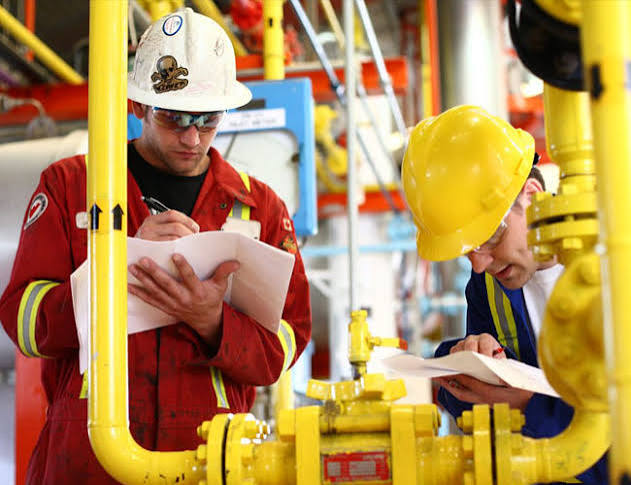
Businesses should regularly inspect workspaces, access routes, storage areas, stairways, and other frequently used locations. Employees can also provide useful insight because they interact with these spaces every day and may notice problems that are easily overlooked during formal inspections.
Pay Attention to Movement and Access
People should be able to move around commercial premises safely and efficiently. Walkways need to remain clear, while entrances, exits, stairs, and changes in floor level should be carefully managed.
Particular attention may be required in areas where people work close to machinery, vehicles, loading areas, or elevated surfaces, and physical separation can help prevent people from accidentally entering hazardous zones. Depending on the environment, businesses may consider solutions such as keesystems.com when assessing requirements for handrails, barriers, and guardrail systems.
Good access planning also supports productivity. When employees can move between different areas without encountering unnecessary obstacles, everyday operations can run more smoothly.
Maintain the Commercial Environment
Even well-designed safety measures can become less effective without appropriate maintenance. Loose flooring, damaged steps, poor lighting, and worn safety equipment can gradually introduce hazards into an otherwise well-managed workplace.
Routine inspections should therefore form part of general building maintenance. Problems should be recorded and prioritised according to the level of risk they present rather than being left until the next major refurbishment.
Housekeeping matters too. Keeping corridors clear, storing equipment correctly, and dealing promptly with spills or obstructions are relatively simple measures that can make a significant difference.
Provide Clear Safety Information
Employees need to understand both the hazards around them and the procedures designed to protect them. Training should cover the risks relevant to each role rather than relying solely on general safety information.
Clear signage can reinforce these messages, particularly around restricted areas, emergency exits, and locations where additional caution is necessary. Visitors and contractors should also receive appropriate information when entering areas with specific risks.
Prepare for Emergencies
Commercial environments need practical procedures for fires, accidents, and other emergencies. Escape routes should remain accessible, emergency equipment should be maintained. and employees should know what actions to take.
Regular drills can identify weaknesses that may not be obvious on paper, allowing procedures to be improved before a genuine emergency occurs.
Make Safety an Ongoing Priority
Safer commercial environments are created through consistent attention rather than isolated improvements. Risk assessments, appropriate infrastructure, maintenance, training, and emergency planning should work together as part of a broader safety strategy.
By regularly reviewing conditions and responding to changes in how a workplace operates, businesses can create commercial spaces that protect employees, visitors, and contractors while supporting efficient everyday operations.