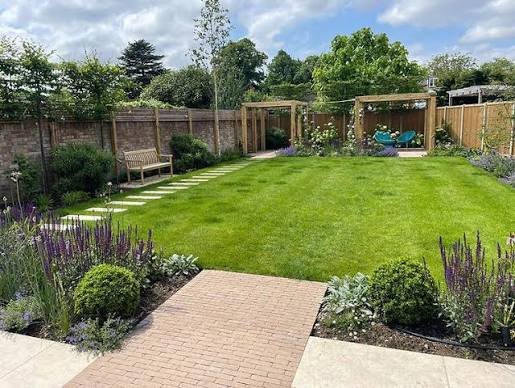
A garden makeover is more than just a weekend project—it’s an opportunity to reimagine the way you experience your outdoor space. Whether you have a sprawling backyard or a modest urban courtyard, the right transformation can turn an overlooked patch of land into a sanctuary that nourishes your body, mind, and soul.
Table of Contents
ToggleWhy a Garden Makeover Matters
Our gardens have become extensions of our homes. Outdoor spaces have evolved from simple lawns into outdoor living rooms, play areas, and meditation corners. A garden makeover allows you to align your outdoor environment with your current lifestyle rather than the lifestyle you had years ago.
Beyond aesthetics, a well-designed garden offers tangible benefits. It improves air quality, supports local wildlife, reduces stress, and can even increase your property value. Studies show that time spent in green spaces lowers cortisol levels and boosts well-being. When you invest in a garden makeover, you’re investing in your health as much as your home.
Start With a Clear Vision
Every successful garden makeover begins with a vision. Before you buy a single plant, ask yourself some fundamental questions:
How do I want to use this space? Entertaining friends, growing vegetables, relaxing with a book, or creating a safe play area for children all demand different designs.
How much maintenance can I handle? A low-maintenance gravel garden suits a busy professional, while an avid gardener might relish a complex perennial border.
What’s my budget? Garden makeovers can range from a few hundred dollars for a DIY refresh to tens of thousands for a full professional redesign.
What style speaks to me? Cottage gardens, Japanese zen spaces, and Mediterranean courtyards each have distinct personalities.
Create a mood board using photos from magazines or gardens you’ve visited. This visual reference will guide every decision you make.
Assess Your Site Honestly
Before designing, understand what you’re working with:
Sunlight: Track how sunlight moves across your garden throughout the day. Note which areas receive full sun, partial shade, or deep shade. This determines which plants will thrive where.
Soil: Test your soil’s pH and texture. Clay soil, sandy soil, and loam all require different approaches to amendment and planting.
Drainage: Identify areas where water pools after rain. Poor drainage can kill plants and create mosquito breeding grounds.
Existing features: Mature trees, fences, sheds, and utility lines all influence your design. Work with these elements rather than against them.
Access: Consider how people and materials will move through the space. Wide paths and logical flow make a garden more usable.
The Core Elements of a Garden Makeover
Hardscaping
Hardscaping provides the skeleton of your garden. Patios, pathways, retaining walls, and decking define spaces and determine how you move through them. Popular materials include natural stone, brick, concrete pavers, and gravel. Choose materials that complement your home’s architecture and your region’s climate. In cold climates, porous pavers resist frost heaving; in hot climates, light-colored stone stays cooler underfoot.
Planting Design
Plants bring your garden to life. A thoughtful planting scheme considers color, texture, height, and seasonality. Aim for year-round interest by combining evergreens for structure, perennials for seasonal color, and annuals for pops of vibrancy. Native plants deserve special consideration—they’re adapted to your local climate, require less water, and support pollinators.
Layering is key: tall specimens at the back, mid-sized shrubs in the middle, and low-growing groundcovers at the front. Repeat key plants throughout the design to create cohesion.
Lighting
Garden lighting extends your enjoyment into the evening and adds drama and safety. Solar-powered stake lights offer an easy, wire-free option, while low-voltage systems provide brighter illumination. Uplight trees, illuminate pathways, and highlight architectural features. Warm white light creates the most inviting atmosphere.
Water Features
The sound of moving water is instantly calming. Even a small fountain or birdbath can become the focal point of your garden makeover. Water features also attract birds and beneficial insects. If maintenance is a concern, choose a self-contained feature that requires minimal upkeep.
Furniture and Accessories
Complete your makeover with furniture that suits your lifestyle. A dining set for alfresco meals, a hammock for lazy afternoons, or a fire pit for cool evenings all encourage you to spend more time outdoors. Weather-resistant materials like teak, aluminum, and synthetic rattan hold up well across seasons.
Budgeting Your Garden Makeover
A garden makeover doesn’t have to break the bank. Prioritize the elements that matter most and phase the project over time. Structural changes—hardscaping, drainage, irrigation—should come first because they’re difficult to retrofit later. Planting can be done gradually, and gardens often look better when they mature organically.
Money-saving strategies include propagating your own plants, sourcing free mulch from local tree services, repurposing materials, and tackling groundwork yourself while hiring professionals for specialized tasks.
Common Mistakes to Avoid
Many garden makeovers stumble for predictable reasons. Overplanting is the most common error—new gardeners forget that tiny shrubs grow into large specimens within a few years. Ignoring mature plant sizes leads to overcrowding and disease.
Another mistake is neglecting practical infrastructure. Without proper irrigation, even the most beautiful planting scheme wilts during summer vacations. Without adequate storage, tools and toys clutter the space.
Finally, don’t chase trends at the expense of your own enjoyment. A garden should reflect your personality, not a magazine spread. If you love bold colors, plant them. If you prefer wild meadows to manicured lawns, embrace that vision.
Maintaining Your New Garden
A garden makeover isn’t a one-time event—it’s the beginning of an ongoing relationship. Establish a maintenance routine that fits your schedule. Weekly tasks might include watering, deadheading, and weeding, while seasonal chores involve pruning, mulching, and preparing for winter or summer extremes.
Keep a garden journal to track what thrives and what struggles. Over time, you’ll learn your garden’s rhythms and can adjust your plant palette accordingly.
Enjoying the Transformation
The true reward of a garden makeover is the daily pleasure it brings. Morning coffee among the flowers, evening gatherings around the fire pit, children hunting for bugs, and pollinators buzzing from bloom to bloom—these moments transform a house into a home with roots.
Your garden is never truly finished, and that’s part of its magic. Each season offers new opportunities to refine, experiment, and grow. Whether you complete your makeover in a single weekend or across several years, the result is a living, breathing space that evolves alongside you.
Conclusion
A garden makeover is one of the most rewarding investments you can make in your home and well-being. By starting with a clear vision, understanding your site, investing in quality hardscaping, and choosing plants thoughtfully, you can create an outdoor space that delights you every day. The best garden isn’t the most expensive—it’s the one that fits your life perfectly. So grab a notebook, sketch your dreams, and take the first step toward the garden you’ve always wanted.