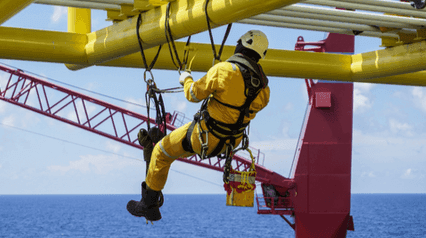
Construction sites are full of potential hazards, but working at height remains one of the most serious. Whether someone is carrying out repairs on a roof, installing materials on scaffolding, or accessing an elevated platform, even a relatively short fall can result in severe injury.
Because working at height is so common across construction projects, it can sometimes start to feel routine. That familiarity, however, should never lead to complacency. Effective planning, suitable equipment and clear safety procedures all have an important role to play.
Falls Can Have Serious Consequences
Falls from height can happen quickly and with little warning. A worker may lose their footing, encounter a slippery surface, or step backwards without realising how close they are to an exposed edge.
The consequences can range from sprains and fractures to life-changing or fatal injuries. There is also the possibility of falling tools or materials striking people working below, which means height safety measures should consider everyone on site rather than only those working at an elevated level.
Roof Work Requires Particular Attention
Roofs create a number of additional risks because workers may be close to unprotected edges, fragile materials or openings. Weather can also make conditions more hazardous, particularly when surfaces become wet, icy or affected by strong winds.
Where regular roof access is necessary, collective protection can help create a safer environment. For example, roof handrail systems from Simplified Safety can provide a physical barrier around exposed roof edges, helping to reduce the risk of workers accidentally reaching areas where a fall could occur.
Equipment Needs To Be Suitable for the Task
Not every job at height requires the same solution. Ladders may be appropriate for certain short-duration activities, while scaffolding, mobile platforms or other access systems may be better suited to longer or more complex work.
Equipment should be chosen according to the task and inspected regularly. Damaged ladders, unstable platforms or incorrectly assembled scaffolding can create additional risks rather than reducing them.
Workers should also understand how to use equipment correctly. Even good-quality safety equipment will only provide effective protection when it is installed and used as intended.
Planning Makes a Major Difference
Safe working at height begins before anyone leaves the ground. Risk assessments should consider the height involved, the length of the task, access requirements, weather conditions and the number of people working in the area.
Where possible, work at height should be avoided altogether. If the task cannot be completed from ground level, suitable controls should be introduced to prevent falls or minimise their consequences.
Clear communication is equally important. Everyone involved should understand the planned approach, their responsibilities and what to do if conditions change.
Safety Should Never Become an Afterthought
Construction environments can change rapidly as projects progress. New materials arrive, access routes move, and different trades begin working alongside one another. This makes ongoing safety checks essential.
By treating working at height as a significant risk rather than just another everyday task, construction businesses can create safer sites. Careful planning, appropriate protection and good working practices can all help reduce the likelihood of serious accidents.