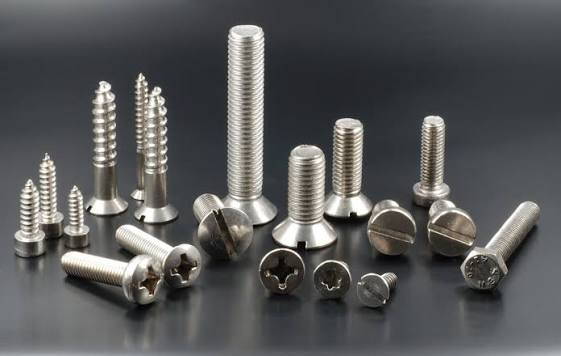
Fasteners may be small components, but they play a major role in the strength, safety, and durability of countless construction and DIY projects. Choosing the wrong screw, using incorrect installation methods, or overlooking material compatibility can lead to weak joints, damaged surfaces, and costly repairs. Understanding common fastener mistakes helps ensure every project is completed with reliable and long-lasting results.
Choosing the Wrong Fastener mistake for the Job
One of the most common mistakes is selecting a fastener based only on size or appearance rather than considering the requirements of the project. Different materials, environments, and applications require different types of screws and fixings. For example, a fastener designed for indoor woodworking may not provide the protection needed for outdoor use where moisture and weather exposure are factors.
Before starting a project, consider the material being joined, the load the connection must support, and the conditions the fastener will experience. Stainless steel options, coated screws, and specialist fixings are designed for specific purposes, helping prevent issues such as rust, corrosion, or premature failure.
Using the Incorrect Screw Size
Using a screw that is too short may result in a weak connection, while a screw that is too long can damage materials or create safety concerns. The diameter and length of a screw should always match the thickness of the materials being secured.
For projects requiring precise measurements, options such as 30mm size screws can provide a suitable solution where a shorter length is needed for secure fastening without unnecessary penetration. Selecting the correct size helps maintain the strength of the joint while reducing the risk of splitting or damaging the surrounding material.
Failing to Prepare Materials Properly
Another frequent mistake is rushing the preparation stage. Installing screws into unsuitable materials without drilling pilot holes, clearing debris, or checking alignment can affect the final result.
Hardwoods, delicate materials, and projects close to edges often benefit from pilot holes, which help guide the screw and reduce pressure on the material. Proper preparation also makes installation smoother and helps prevent screws from becoming damaged during use.
Over-Tightening Fasteners
While it may seem logical that tighter screws create stronger connections, over-tightening can cause problems. Excessive force can strip screw heads, damage threads, or compress materials beyond their intended limit.
Using the correct tools and applying steady pressure allows screws to sit securely without compromising their performance. A controlled installation process helps maintain the integrity of both the fastener and the materials being joined.
Ignoring Environmental Conditions
The environment where fasteners are used should always influence the selection process. Moisture, temperature changes, and exposure to chemicals can affect certain materials over time.
For outdoor projects, choosing corrosion-resistant fasteners is essential for maintaining strength and appearance. Even indoor projects in areas such as kitchens, bathrooms, or workshops may require additional protection against humidity and moisture.
Using Poor-Quality Tools or Techniques
Even high-quality fasteners can perform poorly when installed incorrectly. Using worn drill bits, incorrect screwdriver heads, or unsuitable power settings can damage the fastener and reduce holding strength.
Taking time to use the right equipment ensures cleaner installation and fewer problems. A properly fitted tool reduces slipping, protects the screw head, and makes the overall process more efficient.
How to Avoid Fastener Problems
Avoiding fastener mistakes comes down to planning, selecting suitable products, and following proper installation methods. Always check the requirements of the project before purchasing materials, and choose fasteners designed for the specific application.
By focusing on correct sizing, suitable materials, careful preparation, and proper installation techniques, both DIY enthusiasts and professionals can create stronger, more reliable connections. Small details make a significant difference, and using the right fastener correctly can help ensure a project remains secure for years to come.