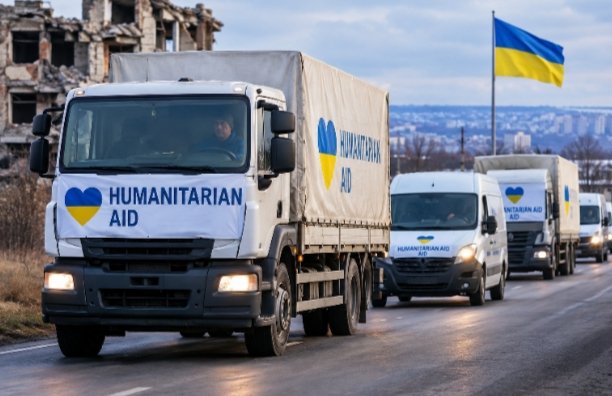
With the onset of a drawn out crisis, one of the key elements of any humanitarian response is transportation. https://www.help99.co/convoys Medical supplies, food, generators, PPE, and all the supplies a community needs edge the long block to their destination in the back of aid trucks. For Ukraine, the organized vehicle convoys are the most efficient way of getting aid to people.
Humanitarian Aid Transportation
The logistical nature of humanitarian response makes time and availability of resources the limiting factors in getting supplies to those in need. When everything is available, it means little if you can’t get it there. Transportation of goods is a game changer when it comes to getting things there.
With different organizations, different volunteers, and different donors, the aid convoy system can meet a great need.
What Convoys Deliver
Different convoys, depending on where they are headed, can deliver different things. However, the most commonly transported items include:
- Medical supplies and first aid
- Food and water
- Clothing and blankets
- Generators and other Power related equipment
- Personal hygiene items and other household supplies
- Other materials donated by local organizations
Convoys can reduce the overall time needed for humanitarian operations.
The Necessity of Dependable Vehicles
Not all vehicles will serve haulage purposes for humanitarian support. Long lines of supply vehicles endure taxing conditions over great distances, making reliability, fuel economy, cargo capacity and bare essential safety features critical.
The flexibility offered by an appropriate vehicle can be critical in design. A versatile vehicle can assist in hauling cargo, provide logistical support for volunteers, or assist organizations in transporting supplies to regions otherwise not accessible by regular commercial support. Proper pre-departure maintenance is equally critical; a broken vehicle can halt delivery of time sensitive and mission critical supplies.
Streamlining Convoy Operations
Effective coordination reduces time and waste as resources are used most efficiently. Some critical steps include but are not limited to:
identification of target location and assessment of need;
- checking vehicles and their readiness;
- planning for and scheduling transport;
- documenting and packing supplies;
- outreach to receiving organizations;
- continuous contact along the transport route.
One of the greatest time savers is efficient coordination of support for people and supplies; it reduces the burden of logistical issues so volunteers and support groups can focus on the people they intend to support.
Purposeful Action for Each Community
Many humanitarians are quick to think of monetary donations as the only means to provide humanitarian support. The truth is that an operational vehicle can be the means to provide urgently needed support to a community. Multiple vehicles can create an organized response to operational support.
The way something is transported can change based on the needs of the situation. A convoy system that transported medical supplies in one instance, could be adapted to transport generators and food in the next example. This flexibility is beneficial to the objective of teams working in hostile environments.
Cooperation is Still the Answer
Humanitarian work requires cooperation from multiple entities that include the donors, the drivers, volunteers, charities, and local parties. Although varying members of the cooperation have different roles, the goal is unified: to safely and efficiently provide aid to people in need.
Through the use of community support and cooperative transportation, the goal of the effort can be addressed. Reliable vehicles and good planning can be the key to successful aid transportation support. Vehicle convoys can be the missing answer to the gap of the challenge of transporting aid.
Suggested photo: A humanitarian aid convoy of vans/trucks carrying relief supplies, preferably showing vehicles on a road with humanitarian workers.