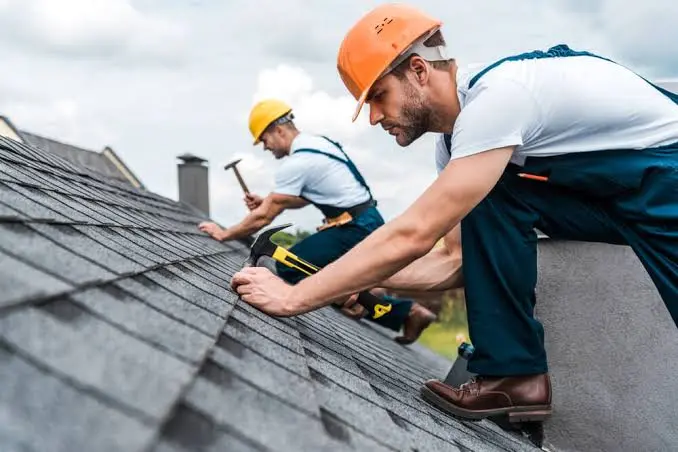
Whether you’re arranging routine roof maintenance, repairing damage, or installing new equipment, having people working on your business owner premises’ roof comes with serious responsibilities. It’s easy to assume that hiring experienced contractors means everything is taken care of. However, business owner still have an important role to play in making sure work is carried out safely.
your obligations can help protect workers, prevent accidents and ensure your business meets the relevant health and safety requirements.
Understand Your Legal Responsibilities
Under the Work at Height Regulations 2005, work at height must be properly planned, supervised and carried out by competent people. As a business owner, your specific duties will depend on your role, including whether you’re employing workers or commissioning contractors.
You should also be aware of the Construction (Design and Management) Regulations 2015, which may apply when roof repairs, renovations or other construction activities are taking place. These regulations place responsibilities on commercial clients to make suitable arrangements for managing projects safely.
Carry Out A Thorough Risk Assessment
Before anyone accesses the roof working, potential hazards need to be identified and assessed. Even straightforward maintenance tasks can expose workers to serious risks, particularly when dealing with older buildings or unfamiliar roof structures.
Common hazards include fragile roofing materials, unprotected edges, skylights, slippery surfaces and unsuitable access points. You should ensure these risks are properly assessed and that appropriate precautions are agreed before work begins. It’s also important to consider changing weather conditions, as strong winds, rain and ice can make roof work significantly more dangerous.
Provide Suitable Fall Protection
Falls from height remain one of the biggest dangers associated with roofing work. Preventing these accidents should be a priority whenever employees or contractors need to access elevated areas.
Where working at height cannot reasonably be avoided, collective protection measures should be considered before individual protective equipment. Installing a roof guardrail from Universal Safety Systems can provide a physical barrier around exposed roof edges, helping protect multiple workers without requiring each person to attach themselves to an individual safety system.
Depending on the roof’s design and the work being undertaken, additional precautions may include protected walkways, skylight covers or suitable fall restraint equipment.
Check That Workers Are Competent
Roof work shouldn’t be entrusted to someone simply because they’re comfortable working at height. Anyone carrying out these tasks needs the appropriate training, knowledge and experience to complete them safely.
When hiring contractors, check their relevant qualifications, experience and proposed safety arrangements. You should also communicate any known hazards associated with your building and make sure everyone understands the agreed working procedures.
Ensure Safe Access And Emergency Arrangements
Getting onto and off the roof safely is just as important as the work itself. Suitable access equipment should be selected according to the task, with ladders generally reserved for appropriate lower-risk, short-duration activities.
Emergency arrangements also need consideration before work starts. This includes understanding how someone could be rescued following an accident, particularly where specialist fall protection equipment is being used.
Take Roof Safety Seriously
Your responsibilities don’t end once contractors arrive on site. Maintaining communication, checking that agreed precautions remain effective, and addressing emerging hazards are all important parts of managing roof work.
By taking a proactive approach to safety, you can protect the people working on your building while reducing the likelihood of serious accidents, costly disruption, and legal consequences.