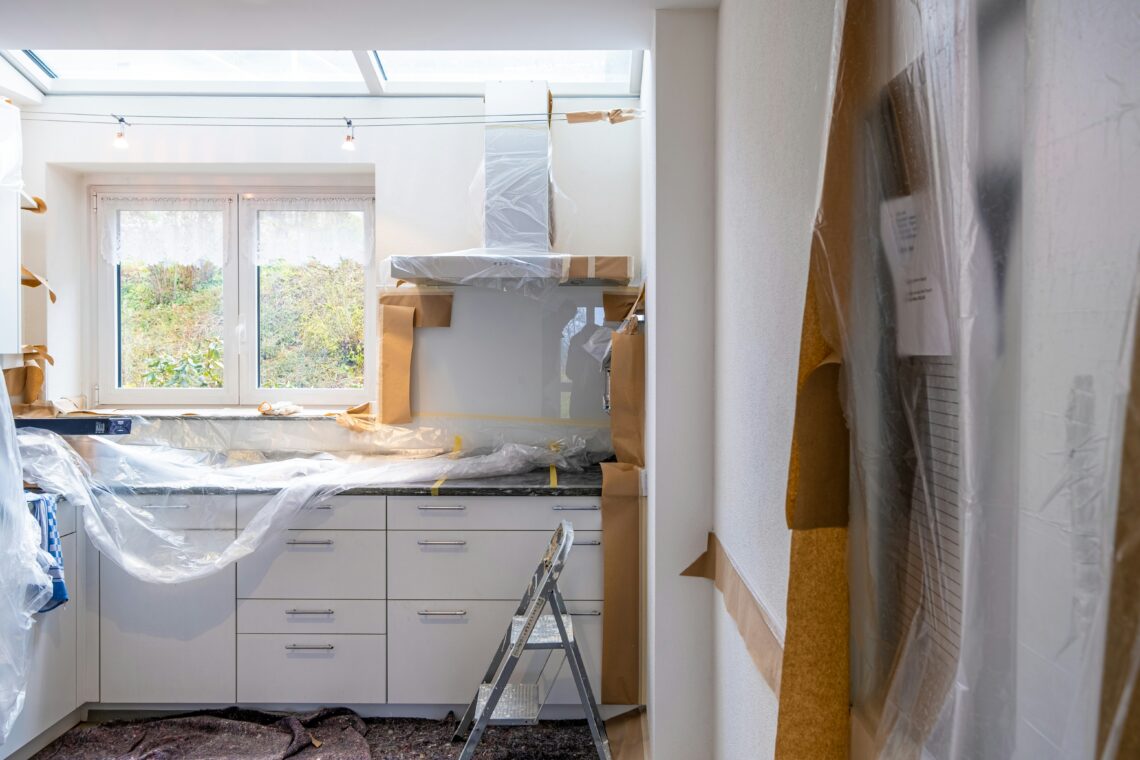
A whole home remodel is one of the most impactful ways to refresh and reimagine your living space. Whether you are improving functionality, updating outdated features, or adapting your home to better suit your lifestyle, a comprehensive renovation can deliver lasting value and comfort. However, achieving a successful outcome requires more than inspiration alone. Careful planning, realistic expectations, and a structured approach are essential to guide the process from concept to completion. Homeowners who invest time in preparation are far more likely to enjoy a smooth renovation experience and results that meet or exceed their goals.
Defining Your Long Term Vision
The first step in planning a successful whole home remodel is defining a clear and cohesive vision. Unlike smaller projects, a whole home renovation involves multiple spaces that must work together in both design and function. It is important to think holistically about how each area connects and contributes to the overall flow of the home.
Consider your current lifestyle and how it may evolve over time. Families grow, work habits change, and personal preferences shift. A well planned remodel anticipates these changes and incorporates features that provide flexibility. For instance, creating multi purpose rooms or adding storage solutions can ensure your home remains practical for years to come.
Establishing priorities early in the process helps guide decisions and prevents unnecessary changes later. When every element supports a unified vision, the final result feels intentional and harmonious.
Creating a Realistic Budget and Timeline
Financial planning is a critical aspect of any whole home remodel. Large scale renovations involve numerous expenses, from construction and materials to design services and permits. Establishing a detailed budget allows you to allocate resources effectively while avoiding unexpected financial strain.
A comprehensive budget should also include a contingency allowance for unforeseen issues. Hidden structural problems, outdated systems, or supply chain delays can impact both costs and timelines. Preparing for these possibilities ensures that your project can continue moving forward without unnecessary stress.
Equally important is setting a realistic timeline. Whole home remodels take time, and rushing the process often leads to compromised quality. Collaborating with experienced professionals can provide a clearer understanding of how long each phase will take, helping you plan accordingly and maintain realistic expectations.
Selecting the Right Design and Build Approach
Choosing the right approach to manage your renovation can significantly influence its success. Many homeowners find value in working with a unified team that handles both design and construction. This integrated method promotes consistency and improves communication throughout the project.
For example, working with a firm that specializes in design build in San Diego can streamline decision making by keeping all aspects of the remodel aligned under one vision. Designers and builders collaborate closely to resolve challenges, reduce inefficiencies, and ensure that the final outcome reflects the original concept.
This approach also minimizes the risk of miscommunication that can occur when multiple parties work independently. When everyone is working toward a shared goal, the process tends to be more efficient and cohesive.
Navigating Structural and Functional Changes
Whole home remodels often involve more than cosmetic updates. Structural modifications such as removing walls, reconfiguring layouts, or upgrading foundational elements require careful planning and expertise. These changes can dramatically improve the functionality of a home but must be executed with precision.
Understanding the limitations and possibilities of your existing structure is essential. Consulting with professionals early in the planning phase helps identify what changes are feasible and how they may impact the overall design. Structural updates may also require additional permits and inspections, which should be factored into your timeline.
Functional considerations are equally important. Modern homeowners often seek open layouts, improved natural lighting, and more efficient storage solutions. Thoughtful design ensures that these changes enhance both comfort and usability without compromising structural integrity.
Preparing for the Living Experience During Renovation
A whole home remodel often requires adjustments to your daily routine. Depending on the scope of the project, you may need to temporarily relocate or adapt to limited access within your home. Preparing for these changes in advance can help reduce disruptions and maintain a sense of stability throughout the process.
Communication with your renovation team plays a key role in managing expectations. Understanding the sequence of construction phases allows you to anticipate challenges and plan accordingly. For example, knowing when utilities may be interrupted or when specific areas will be inaccessible helps you make necessary arrangements.
Maintaining flexibility is important, as unexpected delays can occur despite careful planning. A proactive mindset and open communication can make the experience more manageable and less stressful for everyone involved.
Maintaining Quality and Consistency Throughout the Project
Consistency is essential in a whole home remodel, as the goal is to create a unified look and feel across all spaces. This involves selecting materials, finishes, and design elements that complement one another while still allowing each room to have its own character.
Quality should always remain a priority, even when facing budget constraints. Investing in durable materials and skilled craftsmanship ensures that your remodel stands the test of time. Cutting corners may lead to additional repairs or replacements in the future, ultimately increasing costs.
Regular check ins with your renovation team help ensure that work is progressing according to plan. Addressing issues early prevents them from escalating and keeps the project aligned with your original vision.
Conclusion
Planning a successful whole home remodel requires a balance of creativity, organization, and practical decision making. By defining a clear vision, establishing a realistic budget, choosing the right team, and preparing for both structural changes and temporary disruptions, homeowners can navigate the process with confidence. A thoughtful approach not only improves the renovation experience but also leads to a final result that enhances comfort, functionality, and overall value. With careful planning and the right support, a whole home remodel can transform your living space into a place that truly reflects your needs and aspirations.